“Incestuous Family”? The Evolutionary History of the Citrus Family
:HI, I’M OPPA
THE OTHER DAY, MY FRUIT BUDDY TRINITY ASKED ME IN A MYSTERIOUS TONE, “AN INCEST STORY ABOUT A FAMILY?”
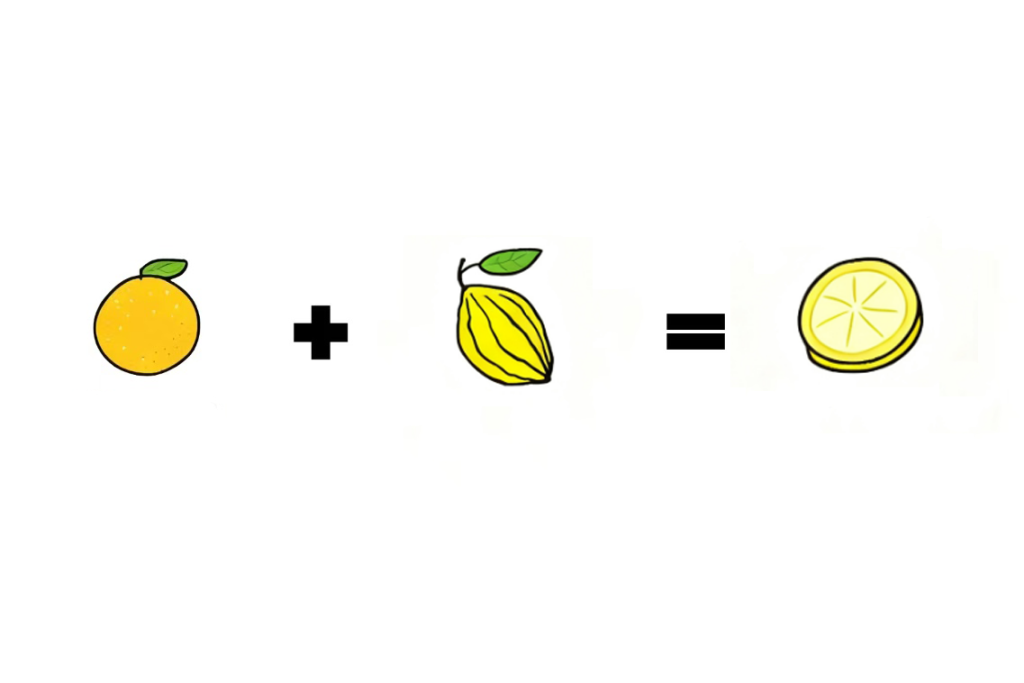
OF COURSE, EVEN ALIENS LOVE GOSSIP! TURNS OUT TRINITY PULLED OUT A BUNCH OF ORANGES, POMELOS, AND LEMONS FROM HER BAG WITH A SMILE… AND TOLD ME THAT THE PROTAGONISTS OF THE STORY ARE THE BIG FAMILY OF THESE THREE!
(THE RELATIONSHIPS IN THE CITRUS FAMILY ARE EVEN MORE CHAOTIC THAN THOSE IN ALIEN GROUPS…👽🤯)
NEXT UP, I’LL SHARE THE SECRETS ABOUT THE CITRUS FAMILY THAT TRINITY TOLD ME~🤫✨
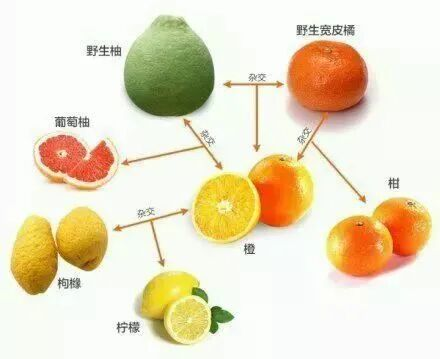
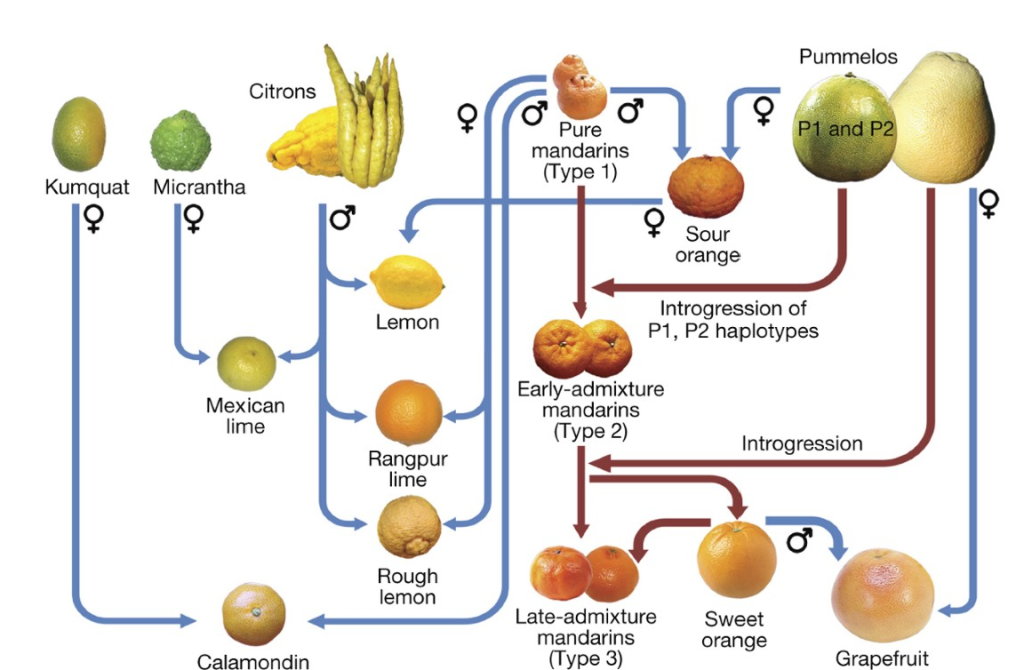
Botanists have finally reached a consensus after long-term research:Citrus medica -Citron, C. maxima -Pomelo,and C. reticulata -Mandarin Orangecan be regarded as the three founding ancestors of the citrus family.
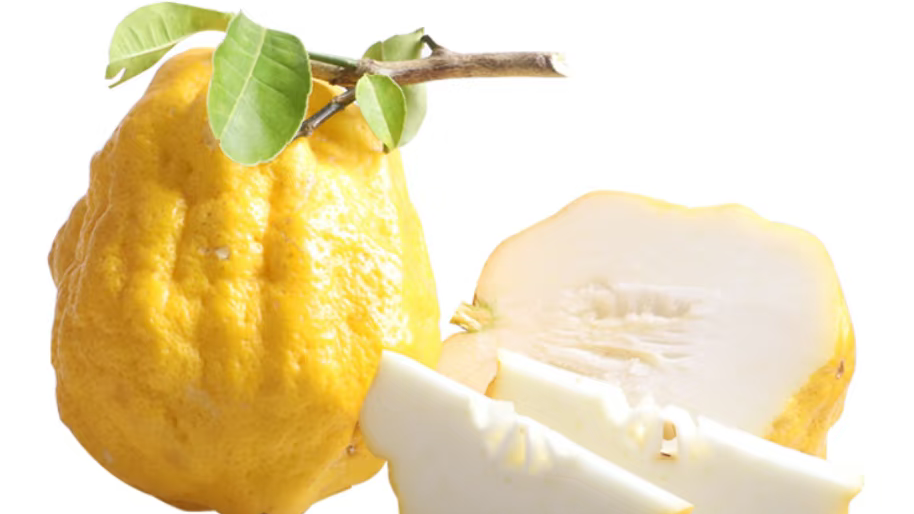
Citron
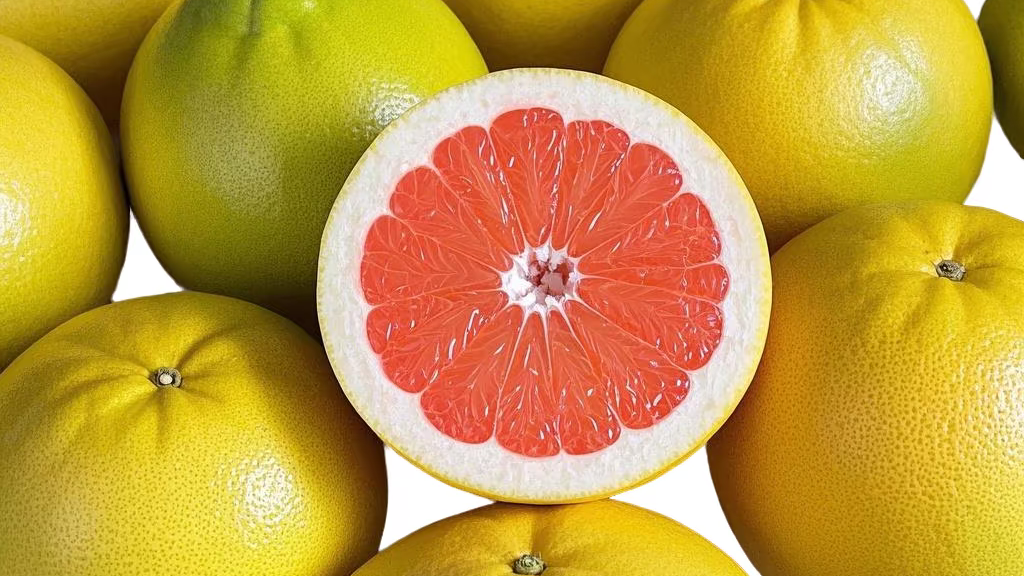
Pomelo
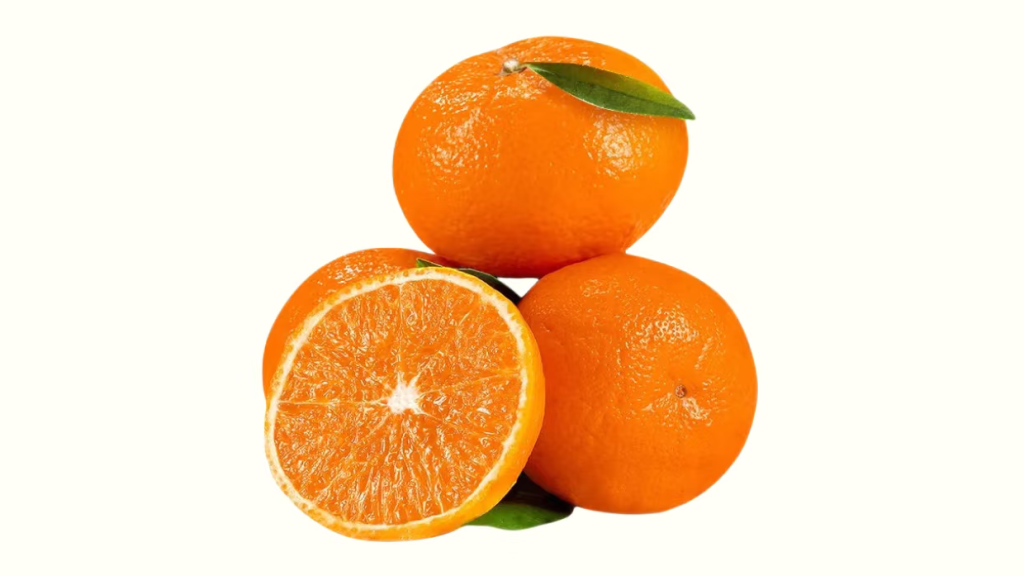
Mandarin Orange
Citronis considered the oldest among these three founding ancestors. We’re more familiar with a variety of it called “Fingered Citron”.
Pomelo is a common fruit we’re all familiar with—though its rind is quite hard to peel, and it has a unique bitter taste.
Mandarin Orange features excellent fruiting performance, strong adaptability, ease of planting and management, and easy peeling.
The First "Citrus War"
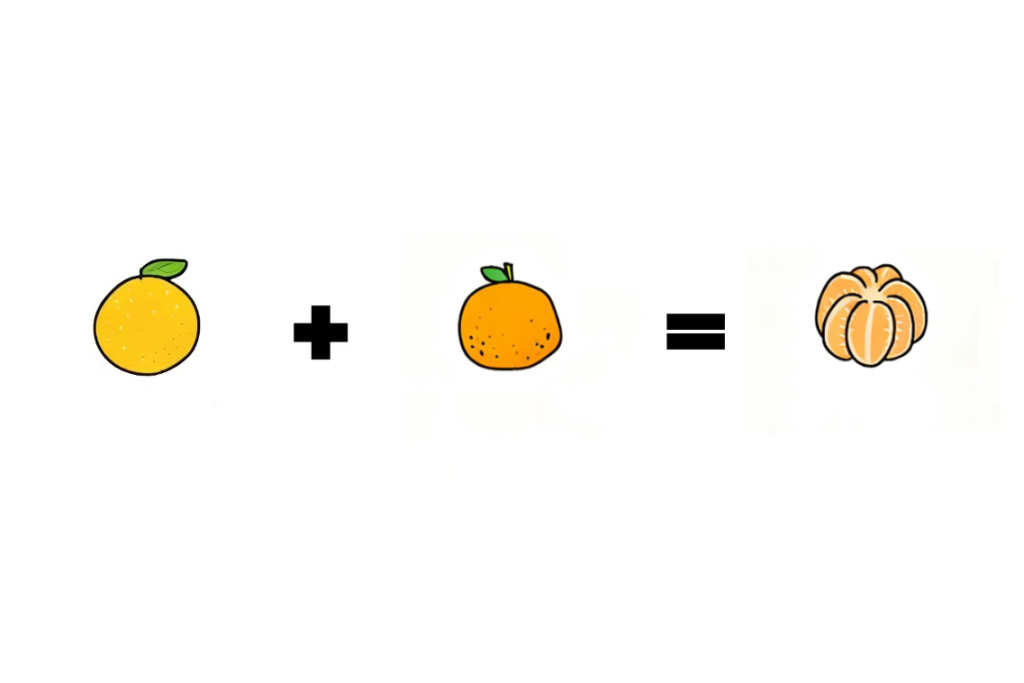
Orange is the product of the first wave of “intermarriage” among citrus species—it is a natural hybrid of Pomelo and Mandarin Orange , two of the three founding ancestors of the citrus family.
The product of the First “Citrus War”—the sweet orange—is a prolific hybrid. During the Second “Citrus War”, its presence can be seen everywhere.
The second "Citrus War"
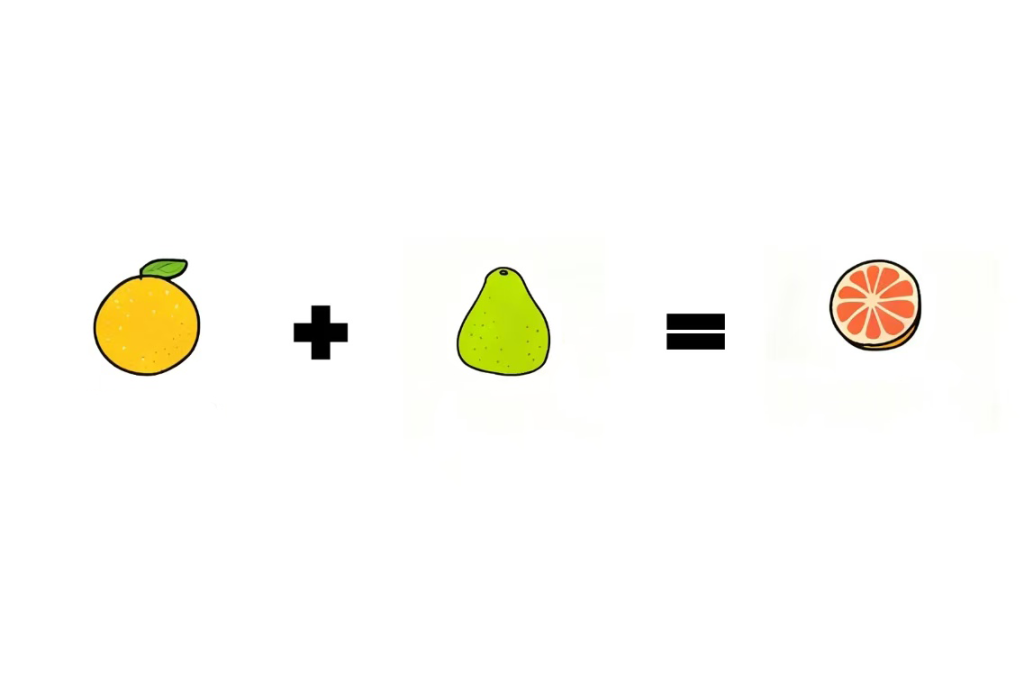
Sweet oranges later “intermarried” with one of the founding ancestors, the pomelo. This process is technically called “backcrossing”—and that’s how grapefruits (Citrus × paradisi) came into being.
Despite being called “grapefruits,” this fruit has nothing to do with grapes at all. It got its name simply because its fruits grow so densely on the branches; from a distance, they look just like clusters of grapes
The Five Rules of "Citrus Intermarriage"
Rule 1:
Fruit size tends to lean toward the smaller parent.
Rule 2:
Fruit shape takes a median value and resembles both parents to some extent.
Rule 3:
Sugar content takes a median value.
Rule 4:
Acidity tends to lean toward the more sour parent.
Rule 5:
Ease of peeling takes a median value.
Do you want to learn about the knowledge of any other fruits? 🥭🍓🍍
Feel free to leave a message~ 💬