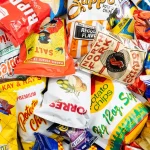
👽💬:Lately, I’ve become completely obsessed with a snack my human friend Kylie shared with me — potato chips.
They’re unbelievably tasty!!!🤤
(No wonder so many Earthlings love them)
Here are the secrets I’ve discovered about potato chips.
I’m wanna bring them back to Planet O…. 🤫✨
Potato chips — known as “chips” in North American and Australian English, and “crisps” in British and Irish English — are thinly sliced potatoes (or sometimes potato paste) that are deep-fried, baked, or air-fried until they become crispy. They are typically enjoyed as a snack, side dish, or appetizer.
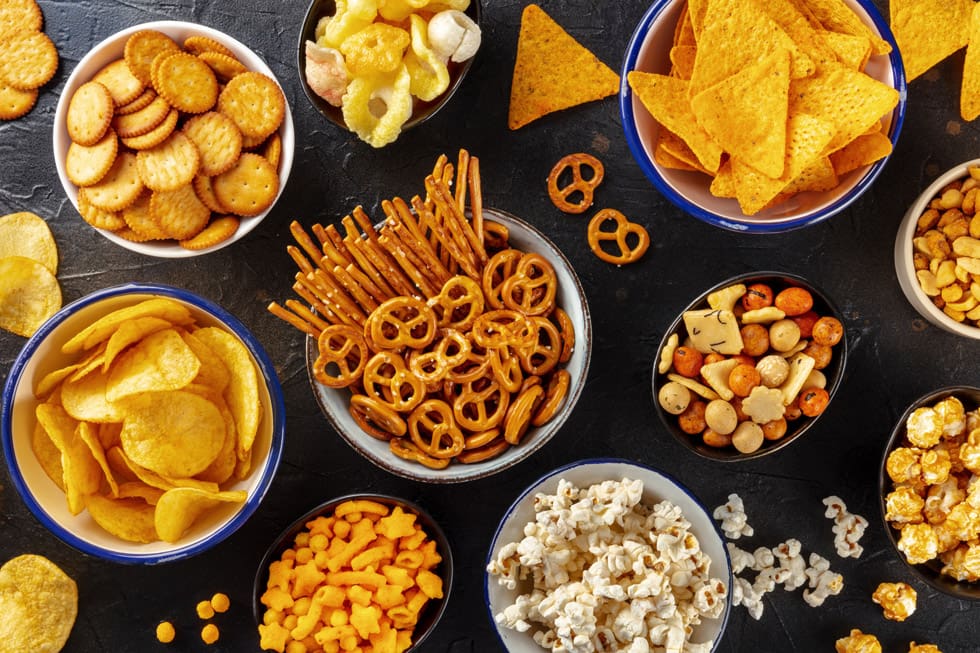
While plain salted chips are the most basic version, countless varieties exist today, featuring flavors created with herbs, spices, cheeses, and both natural and artificial seasonings.
In Western countries, potato chips represent a major segment of the snack and convenience food industry. In 2005, the global potato chip market earned around US$16.49 billion in revenue, making up approximately 35.5% of the overall savory snacks market, which totaled US$46.1 billion that year.
Types of Potato Chips
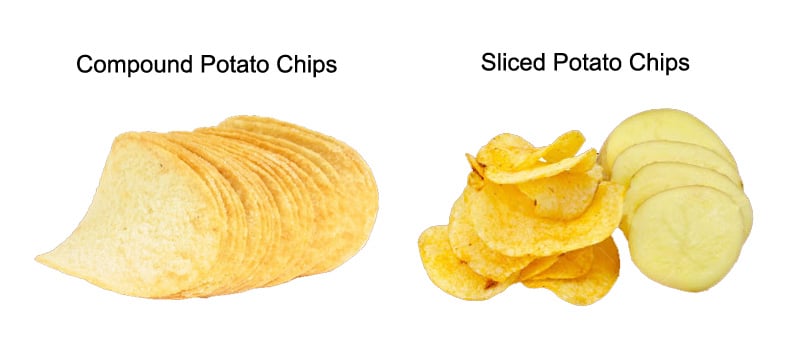
1. Compound Potato Chips (Reconstituted Chips)
These are made from potato flakes or potato starch, mixed with water and other ingredients to form a dough, which is then shaped, cut, and fried or baked.
They have a uniform shape and thickness, and are usually smoother and lighter.
Common examples include Pringles or stacked chips.
Because of their precise manufacturing, they’re often used for innovative flavors and neat packaging.
2. Sliced Potato Chips
These are made from fresh potatoes that are washed, peeled, and sliced into thin pieces before being fried or baked.
They retain the natural texture and flavor of real potatoes.
Common examples include Lay’s Classic or Kettle-cooked chips.
Their uneven shapes and air bubbles give them a crispy, handmade feel.
The History of Potato Chips
The Early History of Potato Chips
1817 — William Kitchiner, an English cook, publishes The Cook’s Oracle in London, containing the earliest known recipe for potato chips
1824 — In the United States, Mary Randolph publishes The Virginia House-Wife, containing an early American recipe for fried potato slices, citing Kitchiner’s work.
1825 — A British book on French cookery describes “Pommes de Terre frites,” thin slices of potato fried in clarified butter or goose dripping, drained, and sprinkled with salt.
A Myth Story of Potato Chips Origin
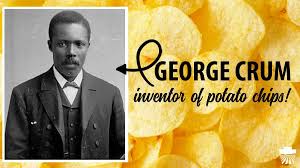
By the late 19th century, a popular — though now debunked — story claimed that George Crum, a cook at Moon’s Lake House in Saratoga Springs, New York, accidentally invented potato chips on August 24, 1853.
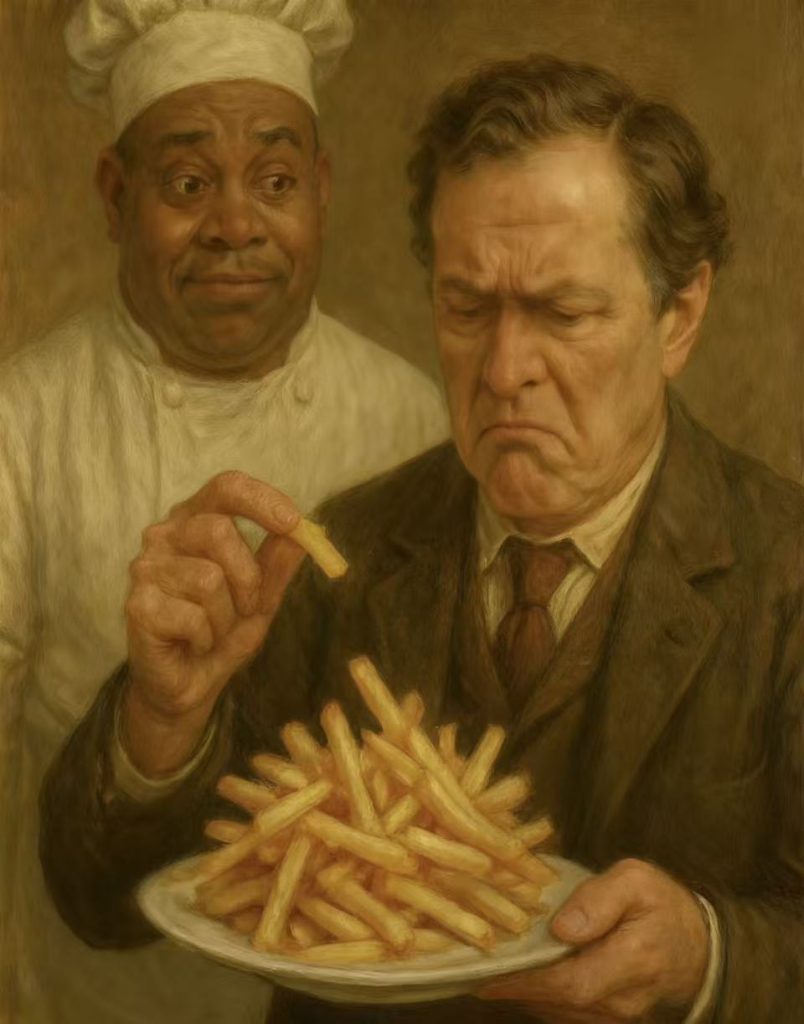
According to the tale, Crum was trying to satisfy a difficult customer who kept complaining that his French-fried potatoes were too thick, too soggy, or not salty enough. In frustration, Crum sliced the potatoes paper-thin, fried them until crispy, and added extra salt. To his surprise, the customer loved them.
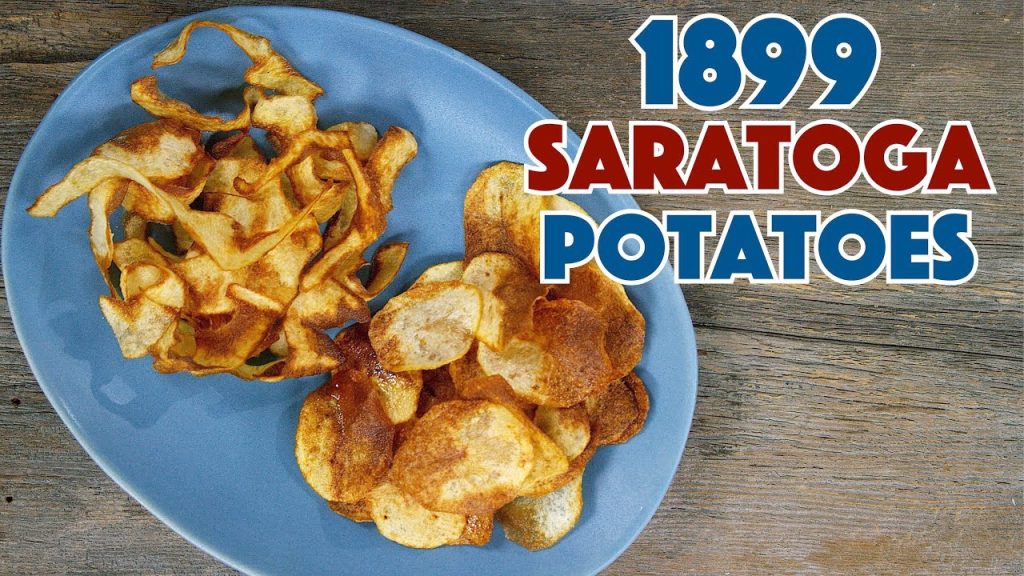
These new thin, crispy potatoes became known as “Saratoga Chips,” a name that remained popular into the mid-20th century. The story gained even more attention in 1973, when the St. Regis Paper Company, a manufacturer of chip packaging, used it in a national advertising campaign, even claiming the unhappy customer was Cornelius Vanderbilt.
However, historians have since shown that the story is a myth. In reality, Vanderbilt was in Europe at the time of the supposed incident, the Moons did not buy the Lake House until 1854, and similar fried potato dishes were already known in Saratoga before 1853.
Despite these inconsistencies, the “George Crum legend” remains one of the most famous and widely repeated stories about the invention of potato chips.
Homemade potato chips are made by deep-frying thin potato slices in hot oil for several minutes.
In the 20th century, chips evolved from restaurant food to a mass-produced household snack.
Since 2010, air frying has become a popular, healthier alternative to deep-frying for homemade chips.
Before the 1950s, chips were generally unseasoned.
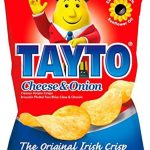
1954:Joe “Spud” Murphy and Seamus Burke of Tayto (Ireland) created the world’s first flavored chips — cheese & onion.
Other brands soon followed:
Walkers (UK) launched cheese & onion in the same year.
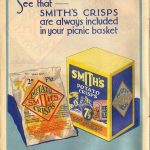
Golden Wonder introduced the same flavor, while Smith’s responded with salt & vinegar (nationally released in 1967).
In the United States, barbecue flavor became the first major chip flavor.
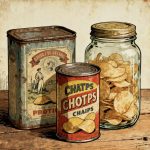
Early chips were sold in tins, barrels, or glass bins, often delivered by horse and wagon.
These methods caused chips to become stale or crumbled.
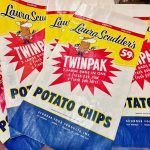
1920s:Laura Scudder (California) invented wax paper bags, ironed and filled with chips — keeping them fresh and crisp longer.
Modern packaging uses plastic bags filled with nitrogen gas to: